

%202%20(1).svg)
.svg)


The Real Price of Staying Cool and How to Choose the Best Value
Written by
On Time Heating & Cooling
Published on
May 12, 2026
Is a Mini Split or Central AC the Better Value for Your Home?
The mini split vs central ac cost comparison is one of the most common questions homeowners face when it's time to upgrade or replace a cooling system. And it makes sense — both systems can keep your home comfortable, but they work differently, cost different amounts to install, and have very different long-term price tags.
Here's a quick snapshot to help you compare at a glance:
| Factor | Mini Split | Central AC |
|---|---|---|
| Best for homes with no ductwork | Yes | No (adds major cost) |
| Best for homes with existing ducts | Sometimes | Yes |
| Energy efficiency (SEER2 range) | 18-33+ | 14-21 |
| Duct energy loss | None | Up to 20-30% |
| Zoned room-by-room control | Yes | Typically no |
| Heating capability included | Yes (heat pump) | Separate system needed |
| Federal tax credits available | Yes (up to $2,000) | Limited |
| Average lifespan | 15-20 years | 15-20 years |
The short answer: if your home already has solid ductwork, central AC is often the simpler and lower upfront-cost choice. But if your home lacks ductwork, or you want room-by-room control and lower monthly energy bills, a mini split system frequently wins on total value — especially over a 10-15 year period.
That said, the right answer depends heavily on your specific home, how you use it, and what your priorities are. The sections below break it all down so you can make a confident, informed decision.
There's no shortage of opinions on this topic — contractors often push one system over the other based on what they sell. What really matters is the full picture: installation cost, monthly energy use, maintenance, and how each system fits your home's layout and your family's lifestyle.
For homeowners in Southeast Wisconsin, where winters are harsh and summers can get surprisingly humid, the stakes are even higher. Choosing the wrong system can mean years of overpaying on energy bills — or a costly retrofit down the road.

Evaluating the Mini Split vs Central AC Cost Comparison for Installation
When we look at the initial investment for home cooling, the complexity of the system is the primary driver of labor and equipment requirements. A central air conditioner relies on a single, large outdoor condenser and an indoor evaporator coil typically integrated into your furnace. In contrast, a mini split system consists of an outdoor unit connected to one or more indoor air handlers via small refrigerant lines.
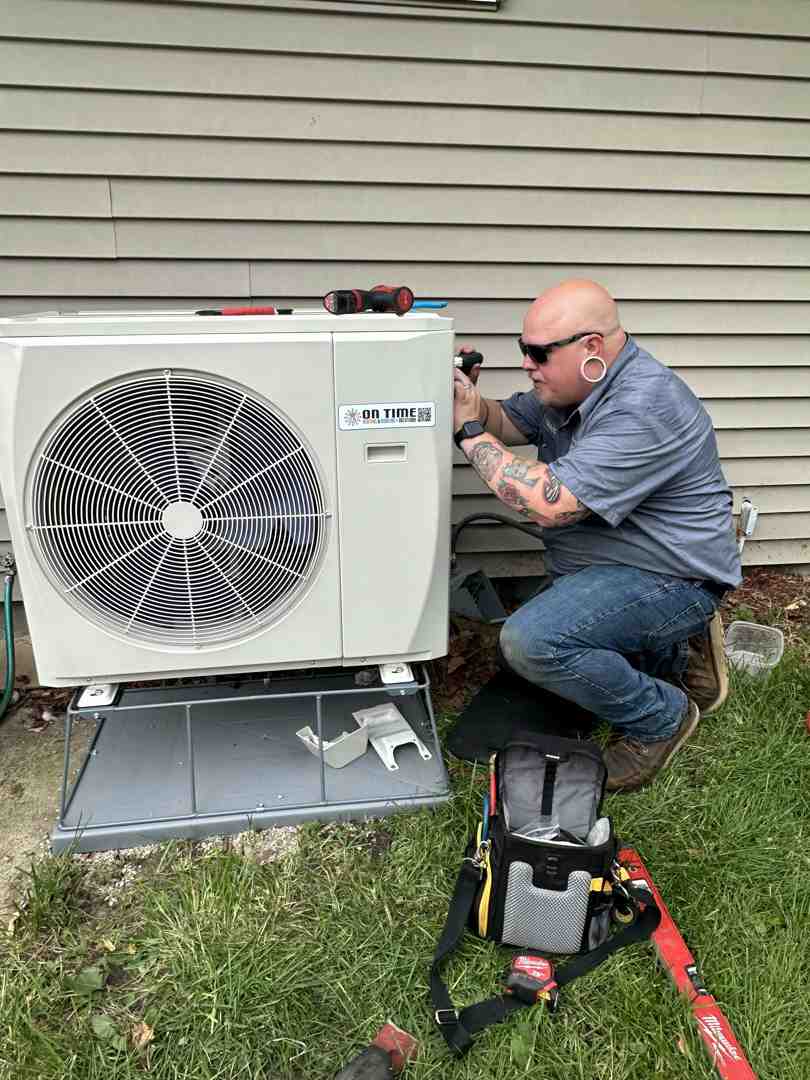
The labor involved in a Mini Split Installation is often less invasive than installing a full central system from scratch. Because mini splits only require a small three-inch hole through the wall for the conduit, we don't have to tear into your drywall or restructure your ceilings. However, as you add more "zones" (indoor units) to a mini split system, the equipment and labor requirements scale. A single-zone unit for a garage or addition is a relatively straightforward project, but a multi-zone configuration for a whole house in Brookfield or New Berlin requires careful planning to ensure the refrigerant lines are balanced and the electrical panel can handle the load.
How Existing Ductwork Impacts Your Mini Split vs Central AC Cost
The "hidden monster" in any mini split vs central ac cost comparison is the condition and presence of ductwork. If you live in a modern home in Menomonee Falls that already has a functional duct system, central AC is almost always the more economical choice for whole-home cooling. The infrastructure is already there to distribute air to every room.
However, if your ducts are aging or undersized, you might be looking at the Cost to Replace Furnace and ductwork simultaneously to ensure the new AC works correctly. In older homes—common in areas like Mequon or Cedarburg—that were built with radiator heat and no ductwork, the math changes completely. Installing new ducts in an existing two-story home can be incredibly expensive and disruptive. In these cases, mini splits provide a much better value because they bypass the need for ventilation paths through your attic or crawlspace.
Installation Timelines for Different Home Layouts
We know your time is valuable, which is why we focus on punctuality and efficiency. A standard central AC replacement, where ducts are already in place, can often be completed in a single day. On the other hand, a multi-zone mini split system might take a bit longer depending on the number of indoor units and the complexity of the refrigerant line runs.
For a home in Sussex or Hartland with a complicated layout—perhaps a split-level or a home with a recent addition—mini splits offer a flexible timeline. We can install units in the most critical rooms first and expand the system later. This "phased" approach isn't possible with central air, which is an all-or-nothing commitment for the entire house.
Monthly Energy Savings and Efficiency Ratings
Once the system is installed, the mini split vs central ac cost comparison shifts to your monthly utility bills. This is where mini splits often start to pull ahead. Most central air systems in 2026 hover around 14 to 21 SEER2. Mini splits, however, can reach staggering efficiency levels, with some models exceeding 30 SEER2.
| System Type | Typical SEER2 | Energy Waste (Duct Loss) | Efficiency Technology |
|---|---|---|---|
| Central AC | 14 - 21 | 20% - 30% | Standard or Two-Stage |
| Mini Split | 18 - 33+ | 0% | Inverter / Variable-Speed |
The secret to this efficiency lies in inverter technology. While older central units are either "on" or "off," mini splits use variable-speed compressors that ramp up and down smoothly to maintain a precise temperature. This prevents the energy-heavy "starts and stops" that drive up your electric bill in the heat of a Wisconsin July.
Reducing Your Mini Split vs Central AC Cost Through Zoned Cooling
Have you ever noticed that your upstairs is sweltering while your basement is a walk-in freezer? Central AC treats your whole house as one big room, which is often a recipe for energy waste. One of the biggest advantages of mini splits is "zoning by default."
With a multi-zone mini split, you only cool the rooms you are actually using. If everyone is in the living room during the day, you can turn down the units in the bedrooms. This targeted comfort significantly reduces electricity consumption compared to a central system that has to push cold air through every vent in the house, regardless of occupancy. To keep these systems running at peak efficiency, regular Mini Split Maintenance is essential to keep the filters and blowers clean.
Impact of Duct Leakage on Monthly Utility Bills
According to Energy.gov, the average central air system loses 20% to 30% of its conditioned air through leaky or poorly insulated ducts. Think about that: for every $100 you spend to cool your home in Pewaukee or Delafield, $20 to $30 might be cooling your attic or the space behind your walls.
Mini splits eliminate this thermal loss entirely because there are no ducts. The cold air is delivered directly into the living space. For homeowners with ducts located in unconditioned attics or crawlspaces, the switch to a ductless system can result in immediate and noticeable savings on every summer bill.
Long-Term Value and Maintenance Requirements
When we discuss the mini split vs central ac cost comparison, we have to look 10 to 15 years into the future. Both systems have a similar lifespan of 15 to 20 years, provided they receive professional care. However, the maintenance needs differ.
Central AC systems require you to stay on top of filter changes and occasional duct cleanings. If a major component fails, the Air Conditioner Repair Cost can vary depending on the age of the unit and the type of refrigerant it uses. Mini splits require more frequent filter cleanings—often every few weeks during heavy use—but they don't have the "hidden" maintenance costs associated with cleaning or sealing miles of ductwork. If you ever run into trouble, our team is ready to help with any AC Repair Cost diagnostics to get you back to comfort quickly.
Warranty Coverage and Component Longevity
Manufacturer protection is a vital part of the value equation. Many premium mini split brands offer 10-to-12-year warranties if installed by factory-trained technicians like ours. Central AC units typically offer similar 10-year parts warranties. The key to longevity for either system is avoiding the "wear and tear" caused by an improperly sized unit. A system that is too large or too small will cycle too frequently, leading to premature component failure. We take the time to perform a proper load calculation for every home we service in New Berlin and beyond.
Enhancing Home Resale Value with Modern HVAC
In 2026, energy-conscious buyers in Southeast Wisconsin are looking for homes that are cheap to operate. While central AC has historically been the "gold standard" for resale value, high-efficiency multi-zone mini splits are rapidly gaining ground. They are seen as a premium upgrade, especially in older, character-rich homes where window units were previously the only option. The aesthetic integration of modern indoor heads is much sleeker than it used to be, and many buyers appreciate the smart home compatibility and individual room control that mini splits offer.
Frequently Asked Questions about HVAC Value
Which system is more efficient for older homes in Southeast Wisconsin?
For historic homes in areas like Waukesha or Oconomowoc, mini splits are almost always the better value. They preserve the structural integrity of plaster walls and original woodwork by avoiding invasive duct installation. They also solve the "hot second floor" problem common in older two-story houses.
Do mini splits provide reliable heating during Wisconsin winters?
Yes! Modern "hyper-heat" or cold-climate mini splits are designed to work in sub-zero temperatures, often maintaining high capacity down to -13°F or lower. While many homeowners in our area keep their furnace as a backup for the most extreme nights, a mini split heat pump can handle the bulk of the heating season, providing year-round value.
Are there tax credits available for high-efficiency upgrades in 2026?
Absolutely. Under the Inflation Reduction Act, many ENERGY STAR certified heat pump mini splits qualify for federal tax credits up to $2,000 per year. There are also various utility rebates available for homeowners in Southeast Wisconsin who switch to high-efficiency cooling. These incentives can significantly offset the initial investment.
Conclusion: Finding the Right Fit for Your Southeast Wisconsin Home
Choosing between these two systems isn't just about the mini split vs central ac cost comparison on paper; it's about what makes sense for your specific lifestyle and your home's architecture. Whether you need a simple central AC replacement in Muskego or a complex multi-zone mini split setup in Germantown, the goal is the same: reliable, efficient comfort.
At On Time Heating & Cooling, we pride ourselves on our punctuality and our "On The Dot" service. Our factory-trained technicians are experts in both ducted and ductless technology, and we’re always happy to provide a free second opinion for any major diagnostic. If you’re a member of our On The Dot Club, you’ll enjoy priority service and regular tune-ups to ensure your investment—whichever system you choose—lasts for years to come.
From Waukesha to Mequon and everywhere in between, we are here to help you stay cool. More info about HVAC services is just a click away, or give us a call to schedule a consultation tailored to your home.
.svg)
.svg)
.svg)
Monday to Sunday:
24/7
24/7
Payments By:

review us on:
©
on time heating & cooling All rights reserved.
Designed & Developed By :
.svg)