How to Prevent AC Failure in Humidity This Summer
Discover what shortens AC lifespan in humid summers and learn proactive steps to extend your system's life in Wisconsin's challenging climate.
Shane Herro
Owner & Lead Tech

Discover what shortens AC lifespan in humid summers and learn proactive steps to extend your system's life in Wisconsin's challenging climate.
What Shortens AC Lifespan in Humid Summers — And Why It Matters for Wisconsin Homeowners
What shortens AC lifespan in humid summers comes down to one core problem: your system is doing two jobs at once. It has to cool the air and pull moisture out of it — every single hour it runs. In a place like Menomonee Falls, WI, where summer humidity regularly climbs and temperatures swing dramatically between seasons, that double workload adds up fast.
Here is a quick look at the main culprits:
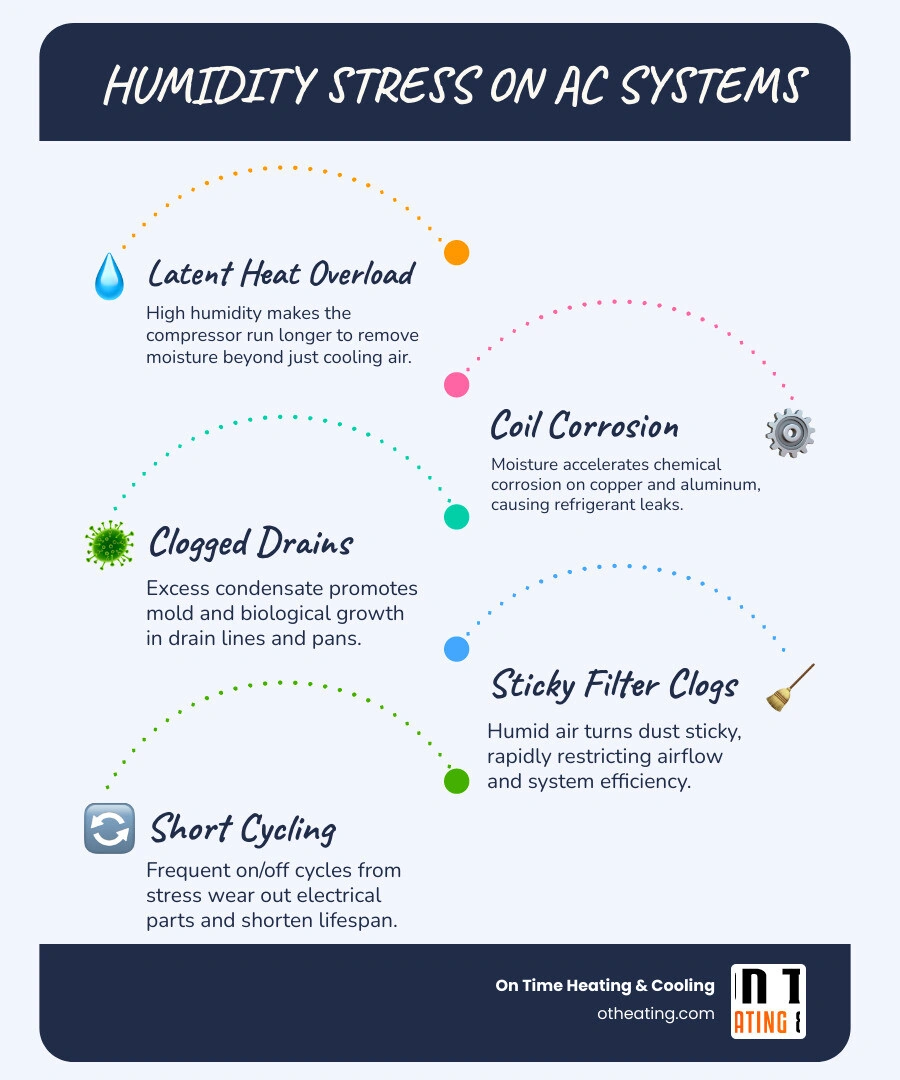
- Latent heat overload — humid air forces your compressor to run longer and harder to remove moisture, not just heat
- Coil corrosion — moisture accelerates chemical corrosion on copper tubing and aluminum fins, leading to refrigerant leaks
- Clogged condensate drains — excess moisture overwhelms the drainage system, promoting mold and biological growth
- Dirty, moisture-saturated filters — humid air makes dust sticky, clogging filters faster and restricting airflow
- Short cycling — oversized or stressed systems turn on and off too frequently, wearing out components prematurely
- Electrical component fatigue — capacitors, contactors, and control boards degrade faster under sustained thermal and moisture stress
- Neglected maintenance — skipping seasonal tune-ups allows small humidity-related issues to snowball into major failures
While the national average lifespan for a central AC is around 15 to 20 years, systems in hot and humid regions often fall well short of that. In climates like Southeast Wisconsin — where summer humidity combines with harsh winters and volatile shoulder seasons — a neglected system can begin breaking down in as few as 8 to 10 years. Well-maintained systems in the same environment routinely last 15 years or more.
The good news is that most of the damage is preventable. Knowing what to watch for — and acting before small problems become expensive ones — is the difference between a system that lasts and one that fails on the hottest day of the year.
What shortens ac lifespan in humid summers vocab to learn:
- how long does an ac last in wisconsin
- how seasonal extremes affect ac lifespan
- how to extend the life of your ac in the midwest
Understanding Regional AC Lifespans in Humid Climates
To understand how humidity affects air conditioners in places like Brookfield, Pewaukee, and Menomonee Falls, it helps to look at regional data. In constantly humid, hot climates like Florida or coastal Texas, a central air conditioner has an average lifespan of only 10 to 14 years. In those regions, systems run thousands of hours per year, exposing components to relentless moisture and salt air.
In contrast, the national average for central AC lifespan is 15 to 20 years. In Southeast Wisconsin, we benefit from a shorter cooling season compared to the Gulf Coast, which should theoretically allow our systems to reach that 15-to-20-year milestone. However, our weather introduces a different kind of mechanical stress: extreme thermal cycling.
Our systems transition from sub-zero winter temperatures to summer humidity levels that regularly push relative humidity above 70% or 80%. This massive seasonal swing causes copper and aluminum parts to expand and contract violently over the year. When you combine this thermal cycling with the heavy moisture loads of July and August, Wisconsin air conditioners experience highly concentrated wear.
Without proper care, an air conditioner in Waukesha or New Berlin can easily fail prematurely at around 8 to 10 years. However, with consistent preventative care, these same units can comfortably reach 15 to 20 years of reliable operation. To dive deeper into how our local climate impacts equipment longevity, explore our detailed guide on how long does an ac last in wisconsin.
What Shortens AC Lifespan in Humid Summers: The Science of Wear
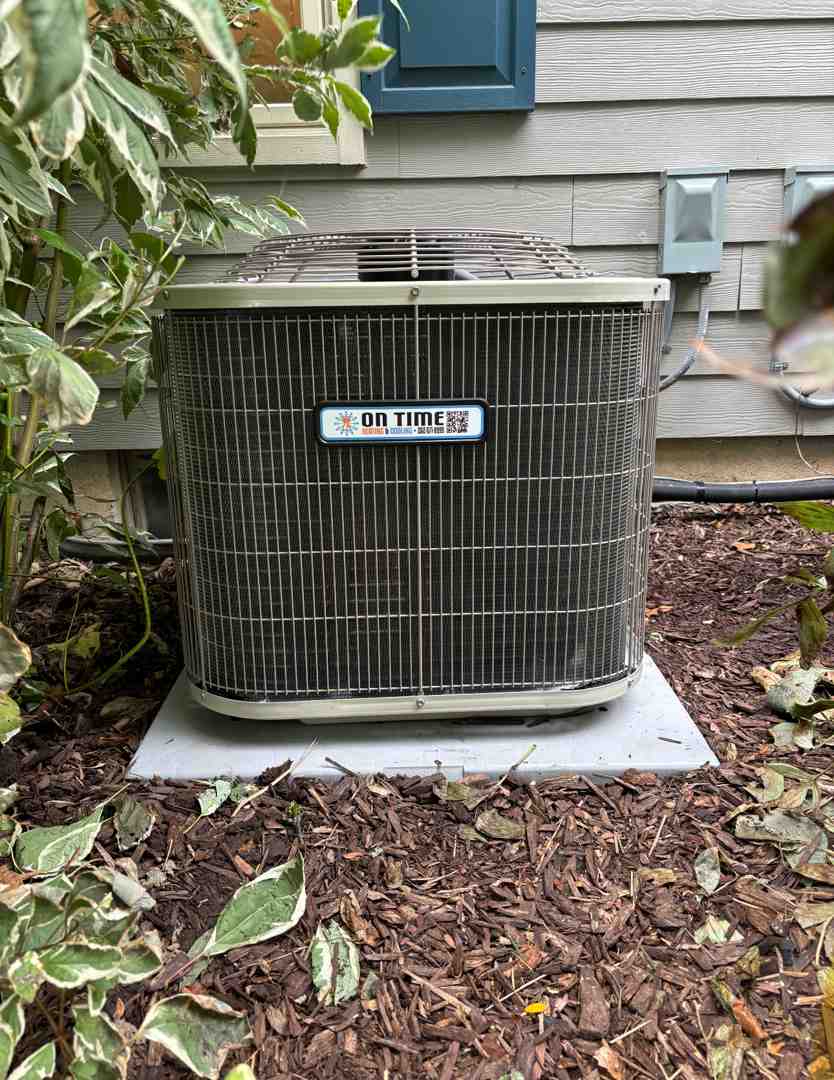
An air conditioner does not actually "create" cold air; it removes heat from your indoor air and transfers it outside. This process involves handling two distinct types of heat: sensible heat (the actual temperature you read on a thermometer) and latent heat (the heat stored in airborne water vapor).
When your home is highly humid, the air conditioner must work to condense that water vapor into liquid water on the evaporator coil before it can effectively lower the indoor air temperature. This thermodynamic reality is at the heart of what shortens ac lifespan in humid summers. To learn more about the long-term impact of these weather shifts, read our analysis of how seasonal extremes affect ac lifespan.
Latent Heat Load: What Shortens AC Lifespan in Humid Summers
When relative humidity is high, a significant portion of your air conditioner's British Thermal Unit (BTU) cooling capacity is redirected. Instead of lowering the room temperature, the system spends roughly 30% or more of its energy simply condensing water vapor out of the air.
This heavy latent heat load forces the system to run for much longer cycles to reach your thermostat's set point. The compressor—the heart of the AC system—must run continuously under high-pressure conditions. This prolonged operation generates elevated internal temperatures, which accelerates the breakdown of the compressor's lubricating oil. Over time, this extra run time leads to severe energy efficiency losses and premature compressor failure.
Coil Corrosion and Moisture Damage
Relentless moisture on your system's indoor evaporator coil creates a breeding ground for corrosion. Two specific chemical processes degrade your system's metal components over time:
- Galvanic Corrosion: This occurs when two dissimilar metals—such as the copper tubing and aluminum fins of a standard coil—are in contact in the presence of water. The moisture acts as an electrolyte, causing the aluminum to degrade, weaken, and eventually flake away, reducing heat transfer efficiency.
- Formicary Corrosion: This is a highly destructive form of corrosion that occurs when organic acids (found in common household products, paints, and cleaning agents) mix with moisture on copper tubing. This reaction creates microscopic tunnels through the copper walls, leading to pinhole refrigerant leaks that are incredibly difficult and expensive to patch.
Critical Factors That Accelerate AC Wear in Southeast Wisconsin
While inland southern states deal with prolonged heat, Southeast Wisconsin homeowners face unique regional factors that accelerate system wear. Areas near Lake Michigan, such as Mequon and Cedarburg, experience "lake effect" humidity, where cool, moisture-laden air rolls off the water and settles over residential neighborhoods.
Meanwhile, inland communities like Oconomowoc, Sussex, and Delafield experience intense summer heatwaves that can cause sudden, dramatic temperature spikes. These rapid shifts put immense mechanical strain on systems. To understand how these local climate factors affect your comfort, read about why ac struggles to cool rooms in sussex.
Our region is also prone to severe summer thunderstorms. High winds, heavy downpours, and lightning strikes present immediate threats to outdoor condenser units. Lightning-induced power surges can instantly ruin sensitive electrical parts, while rapid voltage drops (brownouts) force compressor motors to pull excessive electrical current, overheating internal windings.
Condensate Drain Overload and Biological Growth
Because your air conditioner removes gallons of water from the air on a humid day, your condensate drainage system is put to the test. If your drain line is neglected, this constant flow of water leads to issues:
- Algae and Slime Buildup: Dust, pet dander, and pollen stick to the wet evaporator coil and wash down into the condensate pan. This organic mixture, combined with standing water, creates an ideal environment for algae, mold, and bacterial slime.
- Clogged Drain Lines: As the biological slime grows, it forms thick blockages in the narrow condensate drain pipe.
- Water Backups: Once blocked, water overflows the drain pan. This can damage your furnace's electrical components, ruin nearby drywall, and warp flooring.
- Float Switch Failures: Modern systems utilize safety float switches to shut down the AC if water backs up. While this prevents flooding, a constantly tripping switch puts extra starting strain on your compressor and fan motors.
How Neglected Maintenance and What Shortens AC Lifespan in Humid Summers Intersect
Skipping your annual professional tune-up dramatically compounds humidity-related damage. When outdoor condenser coils are coated in dirt, pollen, and lawn debris, they cannot shed heat efficiently. This raises operating pressures and temperatures inside the compressor.
Indoors, a neglected, dirty evaporator coil restricts airflow. When humid air cannot pass freely across the cold coil, the moisture on the coil can quickly freeze, turning your indoor unit into a solid block of ice. This restricted airflow forces the blower motor to work harder, leading to motor burnout, while also risking liquid refrigerant floodback, which can instantly destroy your compressor. To spot these issues early, check out the key signs it's time for ac maintenance.
Early Warning Signs Your AC is Struggling with Humidity
You do not have to wait for your system to stop blowing cold air to know it is in trouble. Your air conditioner will exhibit several early warning signs when it is struggling to keep up with high humidity:
- Clammy Indoor Air: If your home feels cold but sticky or clammy, your AC is likely "short cycling" (turning on and off too quickly). It is cooling the house down too fast to complete a full dehumidification cycle, leaving excess moisture in the air.
- Musty Odors: A damp, earthy, or musty smell coming from your vents points to biological growth inside your ductwork, evaporator coil, or condensate pan.
- Ice on the Refrigerant Lines: If you notice ice forming on the brass valves of your outdoor unit or along the copper line set, your system's airflow is severely restricted, or your refrigerant level is low.
- Frequent Short Cycling: Turning on and off every few minutes wears out your compressor and starter capacitors rapidly.
- Unexplained Spikes in Utility Bills: If your energy bills are significantly higher than the same month last year without a corresponding rise in outdoor temperatures, your system is losing efficiency due to dirty coils or failing components.
If you notice any of these issues in your home, read our guide on ac not cooling properly what to check to troubleshoot the problem before calling for professional assistance.
Proactive Steps to Extend Your AC Lifespan in Humid Weather
Fortunately, you can take several actionable steps to protect your system from the damaging effects of summer humidity and extend its operational lifespan:
- Install a Whole-Home Dehumidifier: By pairing your central AC with a dedicated whole-home dehumidifier, you remove the latent load from your cooling system. This allows your AC to focus solely on sensible cooling, resulting in shorter run times and significantly less mechanical wear.
- Upgrade to Variable-Speed Technology: Modern variable-speed air conditioners and heat pumps adjust their cooling output dynamically. Instead of blasting on and off at 100% capacity, they run at lower, highly efficient speeds for longer periods, providing continuous, gentle dehumidification without putting heavy starting strain on internal components.
- Change Your Air Filters Every 30 to 45 Days: High humidity makes indoor dust and pet hair sticky, causing filters to clog much faster than they would in dry seasons. Check your filter monthly during July and August.
- Clear Outdoor Unit Debris: Maintain at least two feet of clear space around your outdoor condenser unit. Trim back shrubs, clear away tall grass, and gently rinse the aluminum fins with a garden hose to wash away pollen and dust.
- Schedule Bi-Annual Professional Maintenance: In Wisconsin, having your system professionally serviced in the spring and fall ensures that electrical connections are tight, coils are clean, and drain lines are clear before extreme weather hits. Learn more about protecting your system by reviewing our tips on how to extend the life of your ac in the midwest.
Repair vs. Replace: Making the Right Decision for Your Home
When humidity-related wear begins to catch up with an older air conditioner, homeowners are faced with a choice: do you invest in another repair, or is it time to replace the entire system?
To make an informed financial decision, we recommend using the 5,000 Rule. Multiply the age of your air conditioner by the cost of the repair. If the resulting number is greater than $5,000, your money is typically better spent on a replacement. For example:
- A 12-year-old system needing a $450 repair ($12 times 450 = $5,400$) is a strong candidate for replacement.
- An 8-year-old system needing a $300 repair ($8 times 300 = $2,400$) is generally worth repairing.
| Factor | Consider Repair | Consider Replacement |
|---|---|---|
| System Age | Under 10 years old | Over 12–15 years old |
| The 5,000 Rule | Age $times$ Repair Cost is under $5,000 | Age $times$ Repair Cost exceeds $5,000 |
| Refrigerant Type | Modern R-410A or R-454B | Obsolete R-22 (Freon) |
| Frequency of Breakdowns | Rare, isolated issues | Multiple service calls per season |
| Energy Bills | Consistent year-over-year | Rising steadily due to efficiency loss |
| Indoor Comfort | Even temperatures, dry air | Clammy rooms, hot spots, poor airflow |
Replacing an aging, inefficient system with a modern SEER2-compliant unit can lower your summer cooling bills while providing superior humidity control and long-term peace of mind.
Frequently Asked Questions About AC Lifespan in Humid Summers
How does high humidity damage an AC compressor?
High humidity forces your air conditioner to run much longer cycles to extract water vapor from the air. This continuous operation causes the compressor to run hot. When internal compressor temperatures exceed safe limits, the specialized lubricating oil inside the unit begins to break down and turn acidic. This loss of lubrication leads to mechanical friction, winding failure, and eventual compressor motor burnout.
Can a whole-home dehumidifier extend my AC's lifespan?
Yes. A whole-home dehumidifier acts as a powerful partner to your air conditioner. By handling the latent heat load independently, the dehumidifier allows your AC to focus entirely on lowering the air temperature. This reduces your air conditioner's run times, minimizes starting cycles, and significantly lowers the wear and tear on the compressor, fan motors, and electrical contactors.
How often should I change my AC filter during a humid Wisconsin summer?
During peak humid months (typically June through September in Southeast Wisconsin), you should check your air filter every 30 days and replace it within 30 to 45 days. High indoor humidity makes household dust, pet dander, and pollen damp and sticky. This causes particles to bond tightly to the filter fibers, clogging the filter and restricting system airflow much faster than in drier winter months.
Conclusion
Preventing humidity-related AC failures requires a mix of consistent homeowner habits and timely professional care. By keeping your air filters clean, ensuring your condensate drain lines are clear, and addressing early warning signs of moisture stress, you can protect your cooling system from premature wear.
At On Time Heating & Cooling, we are dedicated to keeping our neighbors comfortable across Southeast Wisconsin, including Menomonee Falls, Waukesha, Brookfield, Sussex, Pewaukee, New Berlin, and Oconomowoc. We pride ourselves on our punctuality, blending old-school customer service values with modern HVAC practices. Whether you need a seasonal tune-up, an emergency repair, or a free second opinion on a system replacement, our team is ready to help.
Do not let summer humidity cut your system's life short. Contact us today to schedule your preventative tune-up, or explore our complete range of professional cooling solutions by visiting On Time Heating & Cooling Services.
Related Articles
 Maintenance
Melting the Mystery of Frozen AC Units
Fix ice forming on your ac unit causes and what to do. Learn how to defrost your system and prevent costly damage today.
Read Article Maintenance
How to Stop AC Running Constantly in Wisconsin Heat Waves
Discover why your AC runs constantly during Wisconsin heat waves and learn proven fixes to restore comfort and cut energy costs.
Read Article Maintenance
5 Common AC Repairs and What Causes Them
Discover the most common AC repairs and what causes them in Brookfield WI homes, plus DIY checks and repair-or-replace tips from local pros.
Read ArticleNeed HVAC help?
Whether you need a repair, maintenance, or a new installation, our expert team is here to help.