Lake Country Cooling Guide: Should You Go Ductless or Central?
Discover central air vs mini split for the Lake Country area homes. Compare efficiency, installation & Wisconsin climate performance to choose your ideal cooling system.
Shane Herro
Owner & Lead Tech

Discover central air vs mini split for the Lake Country area homes. Compare efficiency, installation & Wisconsin climate performance to choose your ideal cooling system.
Is Central Air or a Mini Split Right for Your Lake Country Home?
Central air vs mini split for the lake country area homes is one of the most common cooling questions homeowners in the Oconomowoc, Delafield, and Pewaukee areas ask every spring. And it makes sense — Lake Country summers bring real humidity, and winters push temperatures well below zero. The system you choose has to handle both extremes without draining your wallet.
Here is a quick answer to help you decide:
Choose central air if you:
- Already have ductwork in good condition
- Want whole-home cooling from a single thermostat
- Prefer a discreet system with hidden vents
Choose a ductless mini split if you:
- Have no existing ductwork (common in older Lake Country homes)
- Want room-by-room temperature control
- Are adding a sunroom, garage, or home addition
- Want higher energy efficiency and lower monthly bills
The right answer depends on your home's layout, age, and how you use your space. The sections below break it all down for Lake Country-area properties specifically.

Understanding Central Air vs Mini Split for the Lake Country Area Homes
When we talk about central air vs mini split for the lake country area homes, we are really talking about two different philosophies of comfort. One relies on a hidden network of "highways" (ducts) to move air, while the other delivers comfort directly to the destination.
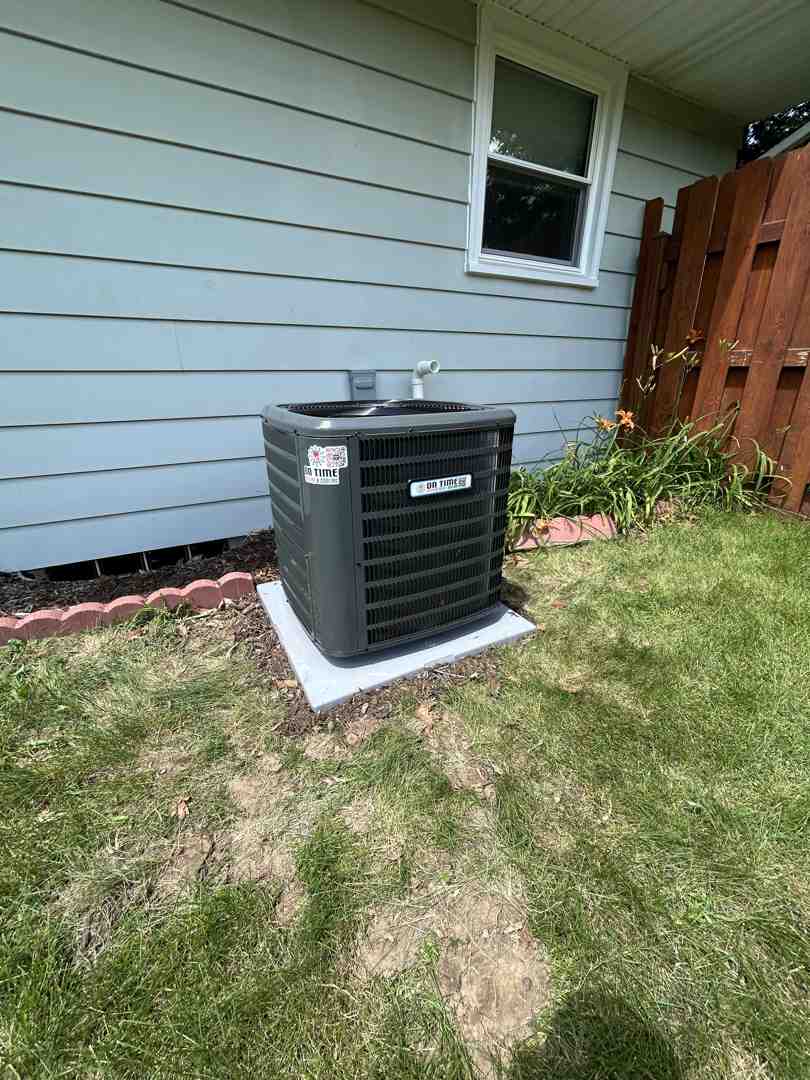
How Central Air Conditioning Works in Lake Country
Central air conditioning is the traditional "gold standard" in many North Prairie and New Berlin neighborhoods. It functions as a split system: an outdoor condenser unit works in tandem with an indoor evaporator coil, usually sits on top of your furnace.
The system uses a powerful blower motor to pull warm air from your rooms through return vents, cool it over the coils, and then push that chilled air back through a network of galvanized steel or flexible ductwork. Because it integrates with your furnace, it provides a "whole-home" solution. You set one temperature on a single thermostat, and the system works to maintain that level of comfort in every room simultaneously.
The Mechanics of a Ductless Mini-Split System
A ductless mini-split system is exactly what it sounds like—a cooling (and often heating) system that doesn't require bulky ductwork. Instead of one massive indoor unit, a mini-split uses small, sleek air handlers mounted directly on the walls or ceilings of individual rooms.
These indoor units are connected to an outdoor compressor via a small bundle of cables and copper tubing known as a line set. This requires only a tiny, three-inch hole in your exterior wall. Because each indoor unit operates independently, you get "zoned" comfort. If you want the master bedroom at 68 degrees but the guest room at 74, a mini-split makes that possible. For homeowners looking into the specifics of the setup, we offer specialized Mini Split Installation services tailored to the unique architecture of Lake Country.
Performance in Wisconsin’s Climate: Humidity and Harsh Winters
Living near Pewaukee Lake or Lac La Belle is beautiful, but it comes with a price: "sticky" air. In April 2026, as we look at the latest HVAC technology, the ability to manage humidity is just as important as the ability to lower the temperature.
Managing Lake Country Humidity with Variable Speeds
Standard central AC units often operate like a light switch—they are either 100% on or 100% off. This can lead to "short-cycling," where the air gets cold quickly, but the system doesn't run long enough to pull the moisture out of the air, leaving you feeling clammy.
Modern mini-splits use inverter technology, which acts more like a gas pedal. They slow down and speed up to match the exact cooling needs of the room. By running at lower speeds for longer periods, they are world-class at dehumidification. This is vital for those muggy July afternoons in Hartland or Chenequa when the humidity makes 80 degrees feel like 90.
Heating Performance During Harsh Wisconsin Winters
One of the biggest misconceptions about central air vs mini split for the lake country area homes is that mini-splits are only for cooling. In reality, most ductless systems are actually "heat pumps."
Modern "Hyper-Heating" technology allows these systems to provide efficient warmth even when Wisconsin temperatures drop well below zero. While many Lake Country residents keep their existing furnace as a backup, a mini-split can handle the bulk of the heating during the "shoulder seasons" (spring and fall) much more efficiently than a traditional boiler or furnace. To keep these sophisticated systems running through a Slinger winter, regular Mini Split Maintenance is essential to ensure the outdoor sensors and coils remain clear of ice and debris.
Efficiency and Energy Savings: SEER2 Ratings Compared
When comparing central air vs mini split for the lake country area homes, the numbers tell a compelling story. Efficiency is measured by SEER2 (Seasonal Energy Efficiency Ratio 2). The higher the number, the less electricity the system uses.
| Feature | Central Air Conditioning | Ductless Mini-Split |
|---|---|---|
| Average SEER2 Rating | 15 - 21 | 20 - 38+ |
| Energy Loss | Up to 30% (via ducts) | Near 0% |
| Noise Level (Indoor) | 40 - 60 Decibels | 19 - 32 Decibels |
| Zoning | Possible (with dampers) | Built-in / Standard |
The biggest "energy thief" in a central system is the ductwork itself. Research shows that leaky or uninsulated ducts can waste up to 30% of your energy before the air even reaches your living room. Because mini-splits don't use ducts, they eliminate this loss entirely. In fact, switching to a ductless system can reduce your cooling energy consumption by up to 40%.
Furthermore, programs like Focus on Energy in Wisconsin and federal tax credits through the Inflation Reduction Act provide significant incentives for Lake Country homeowners to choose high-efficiency heat pump technology. These credits can often cover up to $2,000 of the project, making the leap to high-efficiency cooling much more accessible.
Choosing the Right System for Your Lake Country Property
Your home's "bones" often dictate the winner in the central air vs mini split for the lake country area homes debate.
When Central Air vs Mini Split for the Lake Country Area Homes Favors Ducted Systems
If you live in a newer home in Brookfield or Menomonee Falls that was built with a modern duct system, staying with central air is often the most logical choice.
- Discreet Aesthetics: You only see small floor or ceiling registers, not an indoor unit on the wall.
- Filtration: Central systems allow for large, high-efficiency HEPA or MERV-rated filters that clean the air for the entire house at once.
- Simplicity: One thermostat controls everything, which is ideal for open-concept floor plans where air flows freely between rooms.
Why Central Air vs Mini Split for the Lake Country Area Homes Depends on Home Layout
For the historic lake cottages in Oconomowoc or the mid-century ranch homes in Elm Grove, the story changes. Many of these homes use boiler systems with radiators or baseboard heat, meaning they have zero ductwork.
- Non-Invasive: Installing ducts in an old home requires tearing into walls and ceilings, costing thousands and creating a massive mess. A mini-split installation is clean and fast.
- Whisper-Quiet: Mini-split indoor units operate at 19-32 decibels—literally quieter than a whisper. This makes them the perfect choice for home offices in Sussex or bedrooms in Merton.
- The "Hot Room" Fix: Even if you have central air, you might have that one "bonus room" over the garage or a sunroom that never stays cool. A single-zone mini-split is the perfect "booster" to fix these problem areas without overworking your main AC.
Frequently Asked Questions about Lake Country HVAC
Are there local rebates for high-efficiency systems in Wisconsin?
Yes! Residents in Waukesha County and surrounding areas can take advantage of Focus on Energy rebates. Additionally, under current federal guidelines in 2026, high-efficiency heat pumps (including many mini-splits) qualify for substantial federal tax credits. We always recommend checking the current "Focus on Energy" catalog for the Slinger and Jackson areas before you buy.
Which system is quieter for a bedroom or home office?
Hands down, the mini-split is the winner for noise-sensitive areas. Because the noisy compressor is located outside and the indoor fan is precision-engineered to run at very low speeds, you will barely notice it is on. Central air handlers, while much quieter than they used to be, still produce the "whoosh" of air moving through metal vents, which can be distracting during a Zoom call or while sleeping.
How long does installation take for each system?
A standard central AC replacement usually takes one full day if the ducts are already in place. However, if you are retrofitting an older home with new ductwork, it can take a week or more of invasive construction. A multi-zone mini-split system can typically be installed in 1 to 2 days with almost no disruption to your daily life.
Conclusion
Whether you choose the whole-home power of central air or the precision efficiency of a ductless mini-split, the goal is the same: a comfortable, dry, and cool home to enjoy after a long day on the lake.
At On Time Heating & Cooling, we take pride in our punctuality and our deep knowledge of Lake Country's unique housing stock. From the historic streets of Delafield to the growing neighborhoods of Menomonee Falls, our factory-trained technicians are here to provide honest advice and expert installation.
If you want to ensure your system stays in peak condition year-round, consider joining our On The Dot Club for priority service and regular tune-ups. We even offer free second opinions if you've been given a diagnostic you're unsure about.
Ready to find the perfect cooling fit for your home? More info about our cooling services is just a click away, or give us a call to schedule your home assessment today!
Related Articles
 Cooling
The Great Spring HVAC Transition: From Toasty to Tasty Cool
Master your spring hvac transition from heating to cooling with our 5-step checklist, DIY tips, and pro maintenance for peak efficiency.
Read Article Cooling
Why Your AC Bill Spikes in Wisconsin Summers
Discover why your AC bill spikes in Wisconsin summers and learn proven ways to cut cooling costs with smart habits and professional maintenance.
Read Article Cooling
The Ultimate Guide to Choosing the Right AC for Your Wisconsin Home
Learn how to choose the right AC for your Wisconsin home with expert tips on systems, sizing, efficiency, and professional installation.
Read ArticleNeed HVAC help?
Whether you need a repair, maintenance, or a new installation, our expert team is here to help.