An Ounce of Prevention for Your HVAC System
Learn how to prevent hvac emergencies with maintenance: DIY tips, pro inspections & seasonal tune-ups for reliable comfort in Southeast Wisconsin.
Shane Herro
Owner & Lead Tech

Learn how to prevent hvac emergencies with maintenance: DIY tips, pro inspections & seasonal tune-ups for reliable comfort in Southeast Wisconsin.
Why Knowing How to Prevent HVAC Emergencies with Maintenance Could Save You This Season
How to prevent HVAC emergencies with maintenance comes down to a handful of consistent habits that keep your system from failing when you need it most:
- Change air filters every 1–3 months to maintain airflow and efficiency
- Schedule professional tune-ups twice a year — spring for cooling, fall for heating
- Clear debris from outdoor units and keep plants at least 2 feet away
- Flush condensate drain lines every few months to prevent clogs and water damage
- Watch for warning signs like unusual noises, odd smells, or rising energy bills
- Test your thermostat and replace batteries regularly
- Have a pro inspect electrical connections, refrigerant levels, and coils each season
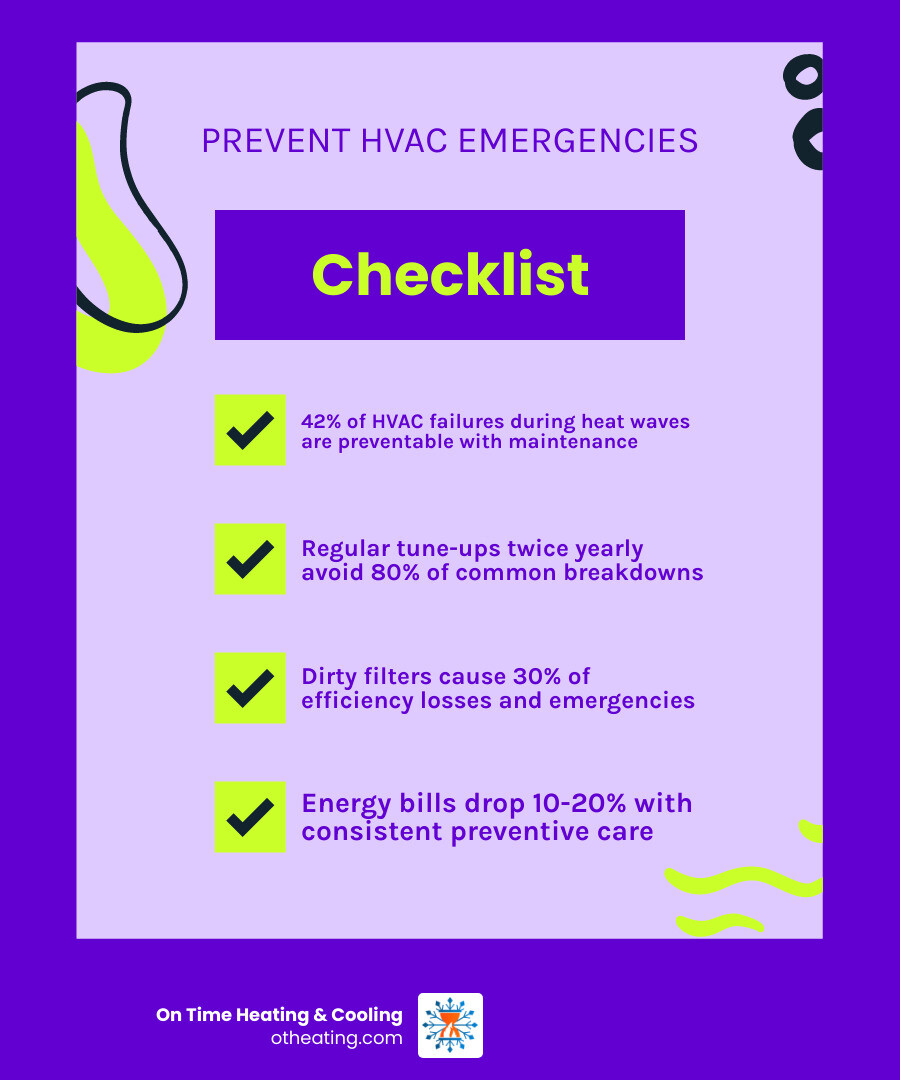
Your HVAC system quietly keeps your Menomonee Falls home comfortable through brutal Wisconsin winters and sweltering summers. But here's the hard truth: 42% of homeowners say they've dealt with HVAC failures during heat waves — and most of those breakdowns were preventable. Neglect is one of the top causes of system failure, and when your heat or AC goes out on the worst possible day, the stress and cost hit fast. The good news is that a little routine care goes a long way toward keeping that from happening to you.
Understanding HVAC Preventive Maintenance
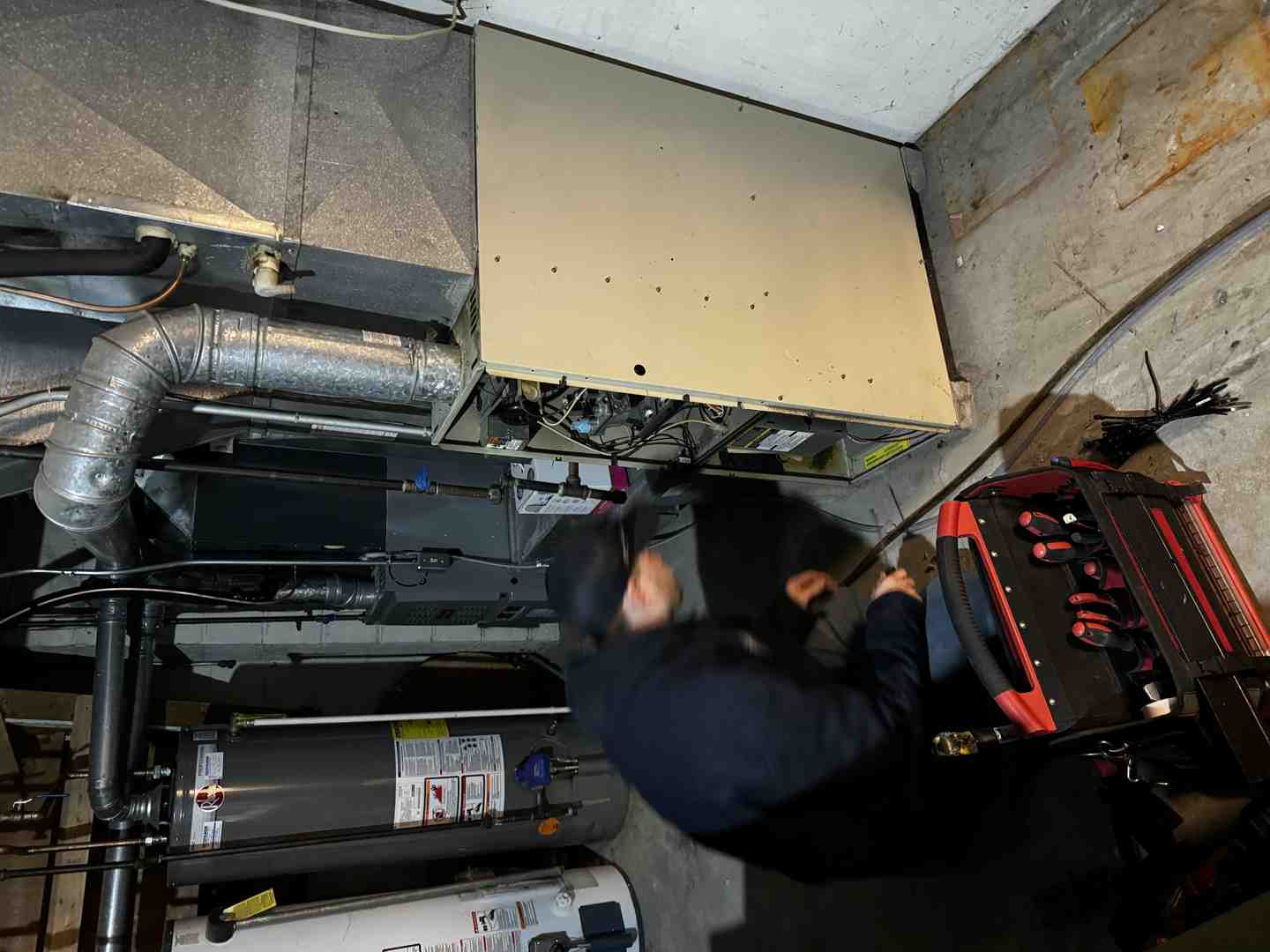
At its core, HVAC preventive maintenance is a proactive strategy designed to keep your heating and cooling equipment running at peak performance while catching minor issues before they spiral into full-blown disasters. Think of it like the oil changes and tire rotations you do for your car; you wouldn't expect a vehicle to last 200,000 miles without basic care, and your HVAC system is no different.
In Southeast Wisconsin, our systems work incredibly hard. From the humid, 90-degree days in Waukesha to the sub-zero nights in Mequon, the temperature swings put immense physical stress on your equipment. According to our HVAC Maintenance Ultimate Guide, a well-maintained system can last significantly longer than one that is ignored. In fact, regular care can nearly double the remaining life of your HVAC equipment.
When we talk about how to prevent hvac emergencies with maintenance, we are focusing on three main goals: efficiency, longevity, and reliability. A system that is cleaned and calibrated doesn't have to work as hard to move air, which lowers your energy bills and prevents parts from wearing out prematurely. As noted in our guide on how routine AC maintenance can extend unit life, the goal is to ensure that when the next "Polar Vortex" or "Heat Dome" hits the Milwaukee area, your system is ready for the challenge.
A Step-by-Step Guide on How to Prevent HVAC Emergencies with Maintenance
The secret to avoiding a frantic 2:00 AM call for emergency repairs is a consistent schedule. We recommend a "bi-annual" approach: once in the spring for your air conditioner and once in the fall for your furnace. This ensures that each component is inspected right before it enters its season of heaviest use.
For spring prep, focus on the cooling side. This includes cleaning the outdoor condenser and checking refrigerant levels. Our seasonal AC tune-up guide and importance highlights that catching a small refrigerant leak in April is much easier (and more comfortable) than dealing with a frozen evaporator coil in July.
When fall arrives in places like Delafield and Hartland, it’s time to pivot to heating. Furnace maintenance is crucial for your home because it involves safety checks on the heat exchanger and gas connections. A cracked heat exchanger isn't just an emergency; it’s a safety hazard that can leak carbon monoxide into your living space. By following these seasonal patterns, you align your maintenance with the unique weather patterns of Waukesha County, ensuring year-round peace of mind.
Mastering Filter Care: How to Prevent HVAC Emergencies with Maintenance
One of the most common causes of a system shutdown is also the easiest to fix: a dirty air filter. When a filter becomes clogged with dust, pet hair, and dander, it acts like a wall, forcing your blower motor to work twice as hard to pull air through. This leads to overheating and eventual motor failure.
A dirty filter can reduce your system's efficiency by as much as 15%. For homes in Sussex or Pewaukee with pets or allergy sufferers, we recommend checking the filter every 30 days. When selecting a filter, pay attention to the MERV (Minimum Efficiency Reporting Value) rating. While higher ratings catch more particles, they also restrict more airflow, so it's important to use the rating recommended by your manufacturer. For more details, see our guide on the AC filter change.
Expert Inspections: How to Prevent HVAC Emergencies with Maintenance and Professional Care
While there is plenty you can do as a homeowner, certain tasks require the specialized tools and training of a professional technician. During a professional visit, we dive deep into the "guts" of the machine.
This involves:
- Tightening Electrical Connections: Loose wires can cause sparks or short circuits, which are leading causes of HVAC fires.
- Checking Refrigerant Levels: Too much or too little refrigerant forces the compressor to work under extreme pressure, which can lead to a very expensive failure.
- Cleaning Coils and Fins: Dirty evaporator and condenser coils reduce the system's ability to exchange heat, making your AC run longer and harder.
- Testing Safety Controls: We ensure that if a problem does occur, your system's internal safety switches will shut it down before permanent damage is done.
Whether it’s preventative AC maintenance or basic furnace maintenance, having a pro look at these components once or twice a year is the ultimate insurance policy against unexpected breakdowns.
Essential DIY Tasks for Homeowners in Southeast Wisconsin
You don't need a tool belt to help prevent HVAC emergencies. There are several simple tasks you can perform monthly to keep things running smoothly in your Brookfield or New Berlin home.
First, keep the area around your outdoor unit clear. During the fall, leaves can pile up against the fins, and in the summer, tall grass or shrubs can "choke" the unit. Aim for a two-foot "clear zone" around the entire unit to ensure proper airflow.
Second, don't forget your thermostat. If your thermostat uses batteries, change them annually—don't wait for the low-battery warning to appear on a holiday weekend! Also, take a moment to gently vacuum the dust out of your vents and registers. If you have a heat pump, check out our heat pump maintenance tips for Delafield, WI for specific advice on keeping those outdoor coils clear of snow and ice during the winter.
Finally, check your condensate drain line. This is the small PVC pipe that carries moisture away from your AC unit. If it clogs with algae or debris, water can back up into your home, causing thousands of dollars in water damage or triggering a safety switch that kills your AC. A simple flush with a bit of vinegar or a specialized cleaner every few months can prevent this. For more simple tips, check our basic AC maintenance guide.
Comparing Homeowner vs. Professional Maintenance Tasks
| Task Description | Homeowner (DIY) | Professional Technician |
|---|---|---|
| Replace/Clean Air Filters | Yes | Yes |
| Clear Debris Around Outdoor Unit | Yes | Yes |
| Clean Vents and Registers | Yes | Yes |
| Replace Thermostat Batteries | Yes | Yes |
| Check for Unusual Noises/Odors | Yes | Yes |
| Inspect Electrical Connections | No | Yes |
| Measure Refrigerant Levels | No | Yes |
| Clean Evaporator/Condenser Coils | No | Yes |
| Lubricate Moving Parts | No | Yes |
| Test Safety Shut-off Controls | No | Yes |
| Calibrate Thermostat Sensors | No | Yes |
Recognizing Warning Signs Before a System Failure
Even with the best maintenance, parts eventually wear out. The key to how to prevent hvac emergencies with maintenance is knowing when to call for help before the system stops working entirely. Your HVAC system will usually try to tell you something is wrong if you know what to listen, smell, and look for.
- Unusual Noises: Banging, screeching, or whistling sounds are never good. They often indicate a loose belt, a failing motor bearing, or a blockage in the ductwork.
- Strange Odors: A "dirty sock" smell often points to mold in the coils, while a metallic burning smell suggests electrical overheating. If you smell rotten eggs, that’s a gas leak—evacuate immediately and call for help.
- Short Cycling: If your system turns on and off every few minutes without reaching the desired temperature, it’s struggling. This puts massive strain on the compressor and heat exchanger.
- Uneven Temperatures: If the upstairs is a sauna while the downstairs is an icebox, you may have duct leaks or a failing blower.
- Rising Energy Bills: If your utility costs are spiking but the weather hasn't changed, your system is losing efficiency and working harder than it should.
Our AC maintenance guide for Waukesha, WI and our list of signs it's time for AC maintenance provide more in-depth ways to spot these red flags early.
Long-Term Benefits and Energy Savings
Investing in regular maintenance isn't just about avoiding disaster; it’s about saving money. Well-maintained systems can reduce energy consumption by 10% to 20%. In a typical Wisconsin home where nearly half of the annual energy bill goes to heating and cooling, those savings add up quickly.
Beyond the monthly bills, there is the matter of your warranty. Most manufacturers specifically state that their warranty is only valid if the system receives regular professional service. If a major component like a compressor fails, and you can't provide proof of maintenance, you could be stuck with a very large bill that should have been covered.
Regular service also protects your indoor air quality. By keeping coils clean and filters fresh, you reduce the amount of dust, pollen, and bacteria circulating through your home. As we explain in our post on why regular furnace service saves you money, the combination of lower bills, fewer repairs, and a longer equipment lifespan makes maintenance the smartest investment you can make in your home. For more on the cooling side, read why regular AC service is essential for home comfort.
Frequently Asked Questions about HVAC Maintenance
How often should I schedule professional HVAC service?
We recommend scheduling professional service twice a year. Ideally, you should have a cooling tune-up in the spring (March-May) and a heating tune-up in the fall (September-November). This ensures your system is optimized for the upcoming extreme temperatures of a Wisconsin summer or winter. For more localized advice, see our HVAC maintenance tips for Waukesha, WI.
What are the most common causes of HVAC emergencies?
The "Big Four" are dirty filters, clogged condensate drains, refrigerant leaks, and electrical component failure. Most of these start as small, invisible issues that only a professional can spot during a routine check. Keeping these in check is how AC maintenance keeps your system running smoothly even during record-breaking heatwaves.
Does regular maintenance really lower energy bills?
Absolutely. A dirty system has to run longer to achieve the same temperature as a clean one. By reducing friction in moving parts and ensuring maximum heat transfer at the coils, maintenance can save you up to 15% on your monthly cooling and heating costs. Check out how routine furnace service keeps your system efficient for more data on these savings.
Conclusion
At On Time Heating & Cooling, we know that your time and comfort are precious. Based in Menomonee Falls, we serve homeowners throughout Southeast Wisconsin—from Oconomowoc to Cedarburg and everywhere in between. Our commitment to punctuality and factory-trained expertise means we don't just fix problems; we prevent them.
If you want to take the guesswork out of how to prevent hvac emergencies with maintenance, we invite you to join the On The Dot Club. Our members enjoy priority service, significant discounts, and regular tune-ups that keep their systems in peak condition year-round. You can learn more about which HVAC maintenance programs like the On The Dot Club Waukesha are available for homeowners and see how we blend old-school customer service with modern HVAC technology.
Don't wait for the next weather emergency to find out if your system is up to the task. Contact us today at https://otheating.com/services to schedule your next tune-up and breathe easy knowing your home comfort is in expert hands.
Related Articles
 Maintenance
Melting the Mystery of Frozen AC Units
Fix ice forming on your ac unit causes and what to do. Learn how to defrost your system and prevent costly damage today.
Read Article Maintenance
How to Stop AC Running Constantly in Wisconsin Heat Waves
Discover why your AC runs constantly during Wisconsin heat waves and learn proven fixes to restore comfort and cut energy costs.
Read Article Maintenance
5 Common AC Repairs and What Causes Them
Discover the most common AC repairs and what causes them in Brookfield WI homes, plus DIY checks and repair-or-replace tips from local pros.
Read ArticleNeed HVAC help?
Whether you need a repair, maintenance, or a new installation, our expert team is here to help.